

The Dow Jones stock markets have always been the center of attention for investors, analysts, and traders across the globe. When it comes to understanding the direction of the U.S. economy and global market sentiment, few indicators are as influential as the Dow Jones Industrial Average (DJIA) and its futures contracts.
In this article, we’ll explore everything you need to know about Dow Jones stock markets futures, how they work, why they matter, and what traders should keep in mind while dealing with them.
What Are Dow Jones Stock Markets Futures?
Before diving deeper, let’s first understand the basics. Futures are standardized contracts where traders agree to buy or sell an asset at a specific price on a future date. When applied to the Dow Jones stock markets, these futures allow investors to speculate on or hedge against the future performance of the Dow Jones Industrial Average.
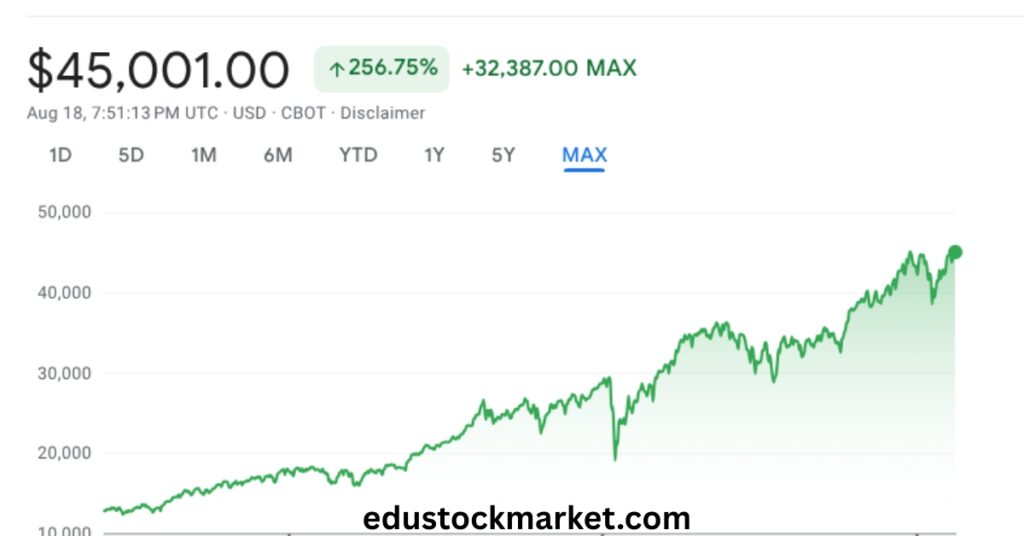
- Underlying Asset: The DJIA index, made up of 30 large U.S. companies.
- Purpose: Traders use futures for speculation, portfolio hedging, or anticipating market trends.
- Trading Venue: Futures are traded on regulated exchanges such as the Chicago Mercantile Exchange (CME).
Simply put, Dow futures give investors a way to bet on whether the Dow Jones stock markets will rise or fall in the near term.
Why Dow Jones Stock Markets Futures Matter
Dow futures are not just speculative tools. They hold real importance in shaping market sentiment:
- Predictive Indicator – Futures often trade outside of regular market hours. This allows investors to gauge how the Dow Jones stock markets may open before the trading session begins.
- Liquidity and Hedging – Institutional investors use futures to protect portfolios against sudden market swings.
- Global Impact – Since the Dow is a leading barometer of the U.S. economy, futures movements influence other global indices such as the FTSE, Nikkei, and DAX.
When Dow futures fall overnight, markets across Asia and Europe often react, reflecting the interconnected nature of global finance.
How Dow Jones Futures Work in Practice
Understanding how these futures operate helps traders make better decisions. Here’s a step-by-step look:
- Step 1: Contract Specification – Each futures contract represents a certain value of the Dow Jones index. For example, the E-mini Dow futures contract is a fraction of the full-size Dow future, making it accessible to more traders.
- Step 2: Price Movements – If the Dow is expected to rise, futures contracts increase in value. Conversely, if sentiment is negative, futures prices fall.
- Step 3: Settlement – Contracts can be closed before expiration or settled in cash upon maturity. Most traders close positions early to lock in profits or limit losses.
This structure allows market participants to act on predictions without directly owning the stocks in the Dow Jones stock markets.
Factors That Influence Dow Jones Futures
Several factors drive the direction of Dow futures. Investors should monitor these closely:
- Economic Data Releases
- Employment reports, GDP numbers, and inflation data directly impact futures.
- Strong economic data usually lifts Dow futures, while weak data drags them lower.
- Federal Reserve Policy
- Interest rate hikes or cuts by the Fed influence investor sentiment.
- A dovish stance often boosts futures, while hawkish signals create pressure.
- Corporate Earnings
- Since the DJIA is composed of 30 major U.S. companies, their quarterly earnings affect Dow futures immediately.
- Geopolitical Events
- Wars, trade disputes, and international conflicts often create volatility in the Dow Jones stock markets and its futures.
- Global Market Trends
- Movements in Asian and European stock markets set the tone for Dow futures before the U.S. market opens.
Benefits of Trading Dow Jones Futures
Trading futures tied to the Dow Jones stock markets offers several advantages:
- Leverage – Futures allow traders to control large positions with a relatively small margin deposit.
- Diversification – Instead of buying individual stocks, traders can speculate on the broader market trend.
- Liquidity – Dow futures are among the most actively traded contracts, ensuring tight spreads and easy entry/exit.
- 24-Hour Access – Unlike traditional stock trading, futures can be traded nearly around the clock, offering more flexibility.
Risks Associated with Dow Jones Futures
While the benefits are clear, risks are equally significant:
- High Volatility – Futures can swing wildly, magnifying gains and losses.
- Leverage Risk – Using leverage means traders can lose more than their initial margin deposit.
- Complexity – Futures trading requires advanced knowledge of technical and fundamental analysis.
- Psychological Pressure – The fast-paced nature of futures markets can lead to impulsive decisions.
Traders must carefully weigh these risks before engaging in Dow futures.
Strategies for Trading Dow Jones Futures
Here are some common strategies investors employ:
- Day Trading – Buying and selling contracts within the same day to capture intraday volatility.
- Swing Trading – Holding contracts for a few days or weeks to benefit from medium-term trends.
- Hedging – Large portfolio managers use Dow futures to protect against potential declines in the Dow Jones stock markets.
- Arbitrage – Exploiting small price differences between futures and the actual index.
The choice of strategy depends on risk tolerance, trading capital, and experience.
Dow Jones Futures vs. Other Index Futures
While Dow futures are popular, they are not the only index-based contracts available. Comparing them with others highlights their uniqueness:
- S&P 500 Futures – Broader coverage of 500 companies, offering more diversification.
- Nasdaq Futures – Tech-heavy exposure, making them more volatile.
- Dow Jones Futures – Focus on 30 blue-chip companies, giving investors a direct reflection of the U.S. economy’s backbone.
Many professional traders monitor all three futures to get a complete picture of market sentiment.
The Role of Dow Futures in Pre-Market Trading
One of the most practical uses of Dow futures is predicting how the Dow Jones stock markets will behave when the opening bell rings on Wall Street. Since futures trade nearly 24 hours, they provide a preview of investor mood before regular trading starts.
- If Dow futures rise overnight, it signals optimism for the trading day.
- If they fall sharply, it indicates potential selling pressure at the open.
This makes Dow futures an essential tool for both retail and institutional traders.
Future Outlook for Dow Jones Stock Markets Futures
Looking ahead, Dow futures are expected to remain a key driver of global market activity. With the rise of algorithmic trading, artificial intelligence, and global economic interdependence, the role of futures will only grow stronger.
- Increased Volatility – Global uncertainties may continue to cause sharp movements in futures.
- Higher Participation – More retail traders are entering futures markets due to accessible trading platforms.
- Technological Innovation – Faster order execution and advanced analytics tools are reshaping futures trading.
The Dow Jones stock markets and their futures will likely remain the heartbeat of global financial systems
FAQs About Dow Jones Stock Markets Futures
Q1. What are Dow Jones stock markets futures?
They are contracts that allow traders to speculate on or hedge against the future performance of the Dow Jones Industrial Average.
Q2. How do Dow futures affect the stock market?
Dow futures often signal how the market will open, influencing investor sentiment before trading hours.
Q3. Can beginners trade Dow Jones futures?
Yes, but beginners should proceed cautiously, start small, and focus on learning before trading with leverage.
Q4. What time do Dow Jones futures trade?
They trade nearly 24 hours a day on platforms like the Chicago Mercantile Exchange.
Q5. Are Dow Jones futures risky?
Yes, futures involve leverage and volatility, which can magnify both gains and losses.
Conclusion:-
The Dow Jones stock markets futures are more than just speculative instruments. They serve as a global barometer of economic health, market sentiment, and investor expectations. By understanding how they work, what influences their movements, and how to trade them responsibly, investors can use Dow futures as a powerful tool in their financial journey.
However, it’s important to remember that while the opportunities are vast, so are the risks. Only a well-informed, disciplined approach can ensure success in the world of Dow Jones futures.