
The dow jones stock markets futures remain one of the most closely tracked instruments for traders, investors, and global market participants. Representing the future performance of the Dow Jones Industrial Average (DJIA)—an index of 30 blue-chip U.S. companies—these futures contracts are not only a way to speculate on price direction but also a vital hedging tool for long-term portfolios.
As we look ahead from 2025 to 2030, the path of the dow jones stock markets futures will be influenced by central bank policy, inflation, technological innovation, global trade patterns, and geopolitical risks. Let’s break down the outlook year by year and outline strategies for traders and investors to navigate this important market.
What Are Dow Jones Stock Markets Futures?
Before diving into predictions, let’s set the stage. Dow Jones stock markets futures are derivative contracts traded on the CME (Chicago Mercantile Exchange). They allow traders to speculate on or hedge against the expected future level of the Dow Jones Industrial Average.
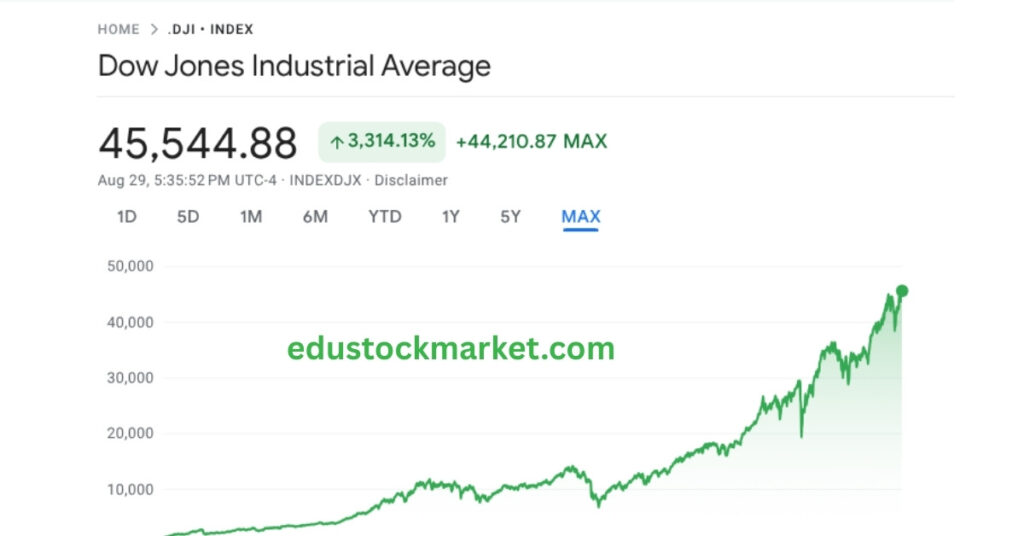
Why They Matter
- Liquidity: Futures provide nearly 24-hour access, making them highly liquid and tradable across time zones.
- Hedging: Portfolio managers can protect themselves against declines in the Dow by shorting futures.
- Leverage: Traders can control a large notional value with relatively small margin requirements.
- Global Impact: Since the DJIA includes multinational corporations, the futures reflect global economic sentiment, not just U.S. factors.
Dow Jones Stock Markets Futures 2025
The dow jones stock markets futures outlook hinges on several macro and micro forces:
- Federal Reserve Policy – Rate cuts or hikes will heavily influence valuations.
- Inflation Trends – Persistent inflation could cap upside; controlled inflation favors growth.
- Technological Innovation – AI, automation, and green tech investments will affect Dow components.
- Trade & Geopolitics – Tariffs, wars, or supply chain shifts will ripple across global equities.
- Corporate Earnings – Ultimately, earnings growth of Dow constituents drives futures direction.
- Volatility Cycles – Periods of calm vs. shock (elections, energy spikes, crises) will cause swings.
Forecast for Dow Jones Stock Markets Futures
Dow Jones Stock Markets Futures 2025
- Expected Trend: Sideways to moderately bullish.
- The market enters 2025 with optimism about possible Fed rate cuts after years of tight monetary policy.
- Growth is steady but not booming. Inflation remains a key risk.
- Dow Jones stock markets futures may fluctuate between 36,000–39,000 levels.
Trading Strategy:
- Buy dips on futures contracts when inflation data cools.
- Hedge long portfolios with futures around Fed meetings to reduce downside exposure.
Dow Jones Stock Markets Futures 2026
- Expected Trend: Stronger upside.
- By mid-2026, lower interest rates could stimulate business investment and consumer spending.
- Dow’s industrial and financial components may outperform.
- Dow Jones stock markets futures could test 40,000–43,000 if earnings momentum holds.
Trading Strategy:
- Long futures positions with protective stops.
- Pair trades: Long Dow futures vs. short more speculative tech indices if volatility rises.
Dow Jones Stock Markets Futures 2027
- Expected Trend: Bullish but watch for overheating.
- AI and automation investments drive strong earnings across multiple Dow sectors.
- Inflation could reappear due to wage growth and high energy costs.
- Futures may spike toward 45,000+, but volatility increases.
Trading Strategy:
- Ride bullish momentum but tighten risk controls.
- Consider options strategies (call spreads) instead of outright futures for defined risk.
Dow Jones Stock Markets Futures 2028
- Expected Trend: Choppy and uncertain.
- Major elections in the U.S. and other regions cause policy uncertainty.
- Trade disputes or tariff wars may disrupt global supply chains.
- Futures could swing wildly between 42,000–46,000.
Trading Strategy:
- Short-term trading works better than long-term holds.
- Use futures for hedging portfolios ahead of election results and policy announcements.
Dow Jones Stock Markets Futures 2029
- Expected Trend: Renewed rally.
- By now, investments in automation, AI, and infrastructure may yield significant productivity gains.
- Corporate earnings strengthen, boosting investor confidence.
- Dow Jones stock markets futures may aim for 47,000–50,000.
Trading Strategy:
Dow Jones Stock Markets Futures 2030
- Expected Trend: Stable but slower growth.
- The economy matures into a new productivity-driven cycle.
- Inflation and interest rates stabilize at moderate levels.
- Futures hover in the 50,000+ range, with less explosive growth but strong foundations.
Trading Strategy:
- Position for steady, long-term gains.
- Use futures for portfolio rebalancing rather than short-term speculation.
Risks to the Outlook
Even though the 2025–2030 picture looks positive overall, traders in dow jones stock markets futures must be aware of downside risks:
- Persistent Inflation: Forces the Fed to tighten policy unexpectedly.
- Global Recession: Demand slump pulls down Dow components.
- Energy Crisis: Oil price spikes drag on profits and consumer confidence.
- Geopolitical Conflicts: Wars or trade disputes destabilize markets.
- Technology Disruptions: Rapid adoption may hurt traditional Dow sectors before benefits flow through.
Opportunities for Traders and Investors
- Hedging Long Equity Portfolios: Futures allow investors to manage risk during volatile events.
- Speculative Short-Term Trading: Earnings reports, Fed decisions, and CPI data offer trading setups.
- Leveraging Macro Views: If you believe in a productivity boom, going long on dow jones stock markets futures could be profitable.
- Volatility Plays: Use futures when volatility spikes to profit from rapid swings.
Key Pointers for Success (2025–2030)
- Always Watch Fed Announcements: Futures move instantly on rate cut or hike hints.
- Don’t Overleverage: Small tick size magnifies risk quickly.
- Focus on Dow Constituents: Track earnings of companies like Apple, Boeing, and Goldman Sachs—these names directly impact futures levels.
- Use Both Technical and Fundamental Analysis: Futures traders need both chart patterns and macro insight.
- Define Risk Per Trade: Know your stop-loss in dollars before entering any futures trade.
Conclusion
The dow jones stock markets futures between 2025 and 2030 are set to reflect a mix of monetary policy shifts, technological transformation, and geopolitical challenges. While the near-term may bring volatility and uncertainty, the long-term trend leans positive, with potential for the Dow to cross the 50,000 mark by 2030.
For traders, this period offers opportunities in both directions—buying dips in soft-landing scenarios and hedging aggressively during inflation or geopolitical spikes. For long-term investors, using futures as a portfolio management tool will be essential.
The golden rule: Stay disciplined, adapt to new data, and let the futures market work for you rather than against you
FAQs: Dow Jones Stock Markets Futures
Q1: What are Dow Jones stock markets futures?
They are contracts that allow traders to speculate on or hedge against the future level of the Dow Jones Industrial Average.
Q2: Why trade futures instead of ETFs?
Futures provide leverage, liquidity, and almost 24-hour access, making them ideal for active traders.
Q3: Are Dow Jones futures safe for beginners?
They carry high risk due to leverage. Beginners should start small, understand margin, and use stop losses.
Q4: Will Dow Jones stock markets futures rise by 2030?
Based on current trends, they are expected to rise steadily, but volatility along the way is inevitable.
Q5: How do global events affect futures?
Trade wars, energy shocks, elections, and geopolitical risks can cause rapid swings in Dow futures pricing.